Getting your PAC dosing right
Jar testing, dosing windows, and common mistakes when using Poly Aluminum Chloride for clarification.
Poly Aluminum Chloride (PAC) is one of the most widely used coagulants in Philippine water and wastewater treatment. It works fast, produces less sludge than alum, and tolerates a wider pH range — but only if you dose it correctly.
Always start with a jar test
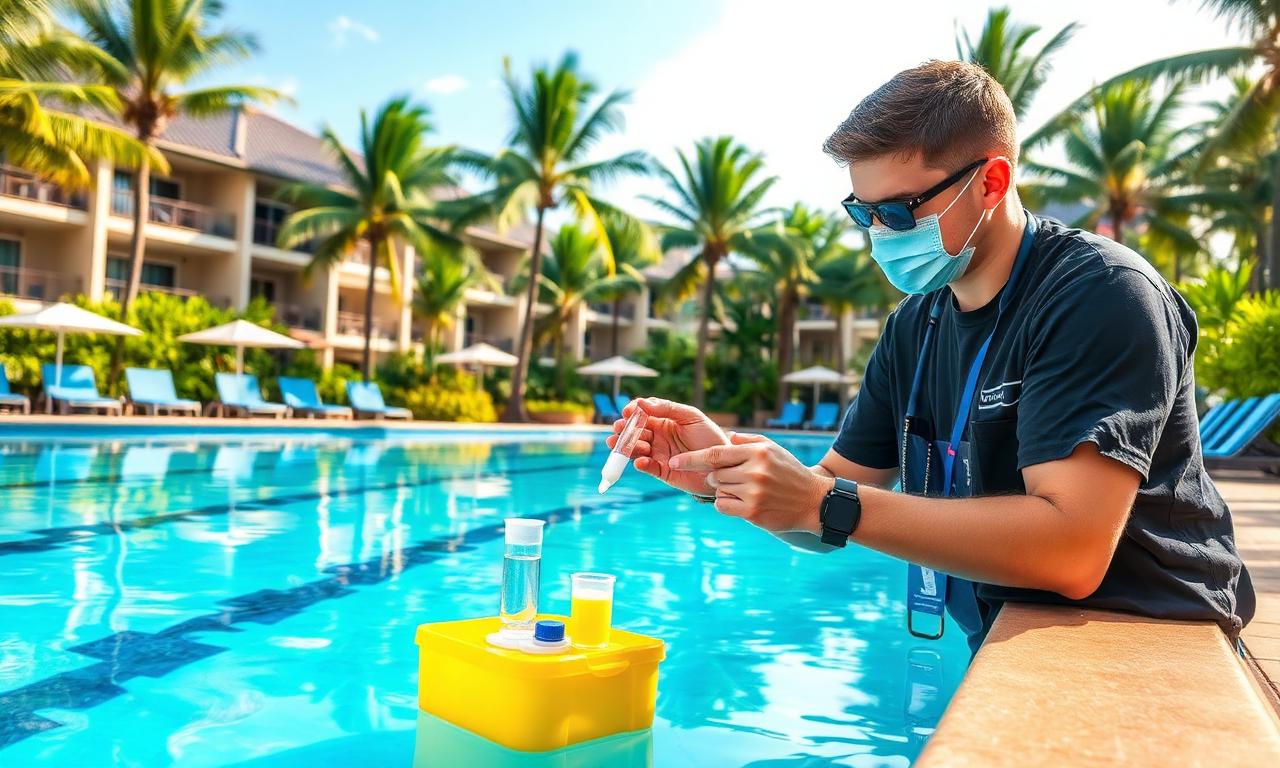
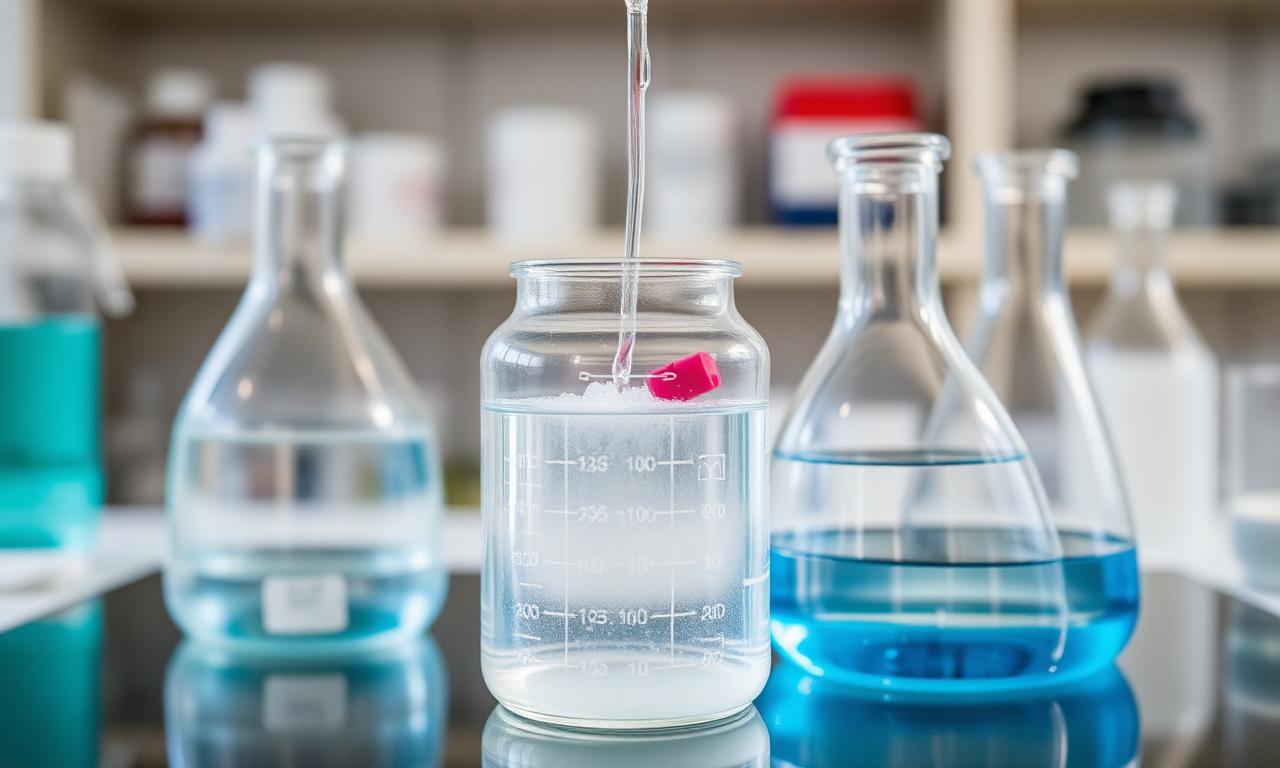
Raw water character changes with the season. Run a jar test whenever turbidity, color, or source changes significantly. Test 5–10 dosing levels and pick the lowest dose that gives clear supernatant in under 10 minutes.
Typical dosing windows
For municipal-style surface water, 10–40 mg/L of liquid PAC is a common starting range. Industrial effluent with high color or organics may need 50–150 mg/L. Always verify with bench testing before scaling up.
Common mistakes
Overdosing is expensive and can re-stabilize colloids, making water cloudier. Underdosing leaves turbidity in the clarifier. Poor mixing energy at the dosing point is the #1 cause of underperformance — make sure the PAC reaches a turbulent zone immediately.