
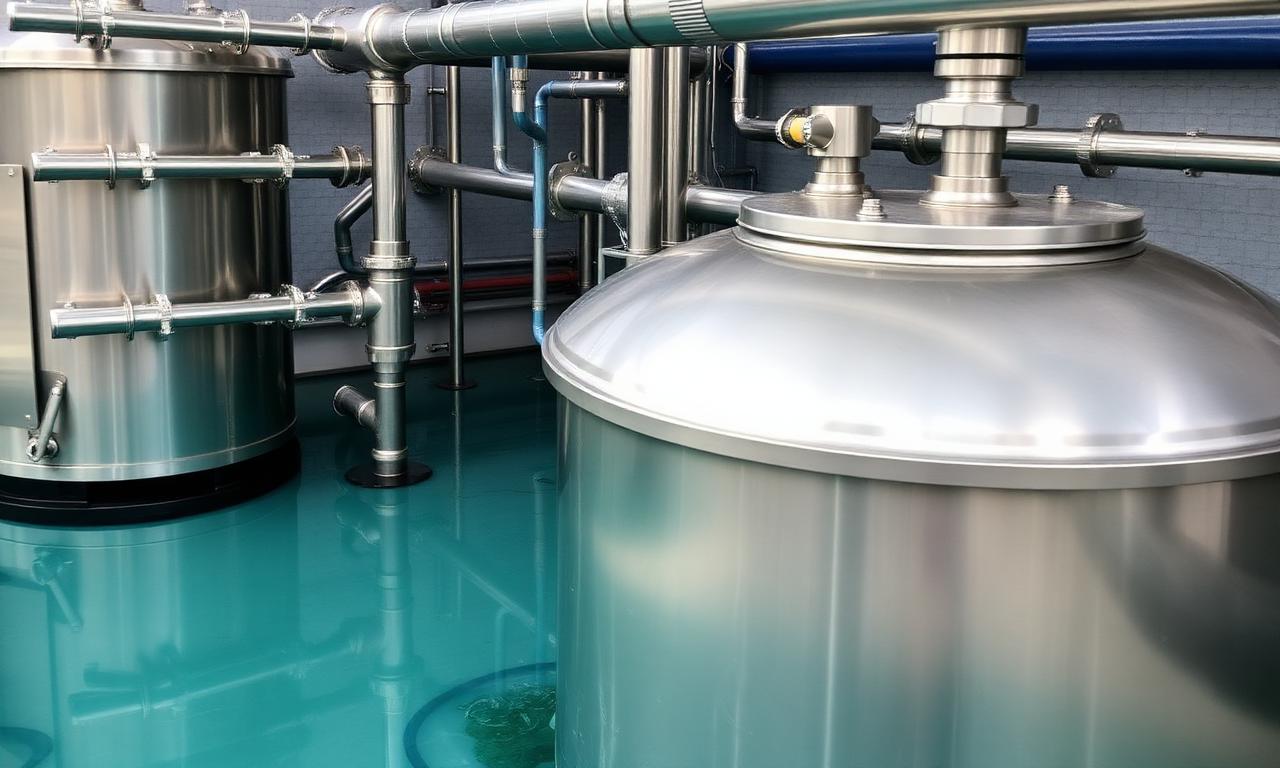
MBR vs MBBR: Which STP is right for your site?
A practical comparison of footprint, effluent quality, energy use, and operating complexity to help you choose.
Choosing between a Membrane Bioreactor (MBR) and a Moving Bed Bioreactor (MBBR) sewage treatment plant is one of the first big decisions for any developer, resort, or facility manager in the Philippines. Both meet DENR effluent standards, but they behave very differently in real operation.
Footprint
MBR systems combine biological treatment with membrane filtration in a single compact tank, which makes them ideal for tight urban sites, condominiums, and high-rise developments. MBBR systems need a clarifier downstream and typically take more space, but they are more forgiving when land is available.
Effluent quality
MBR consistently produces very high quality effluent suitable for non-potable reuse (toilet flushing, irrigation, cooling towers). MBBR effluent is clean and DENR-compliant, but typically requires polishing if you want to reuse the water on site.
Energy and operating cost
MBR uses more energy because of membrane aeration and periodic chemical cleaning. MBBR generally has lower power consumption and simpler day-to-day operation, which matters for resorts and remote sites where skilled operators are limited.
Our recommendation
If space is the constraint or you want to reuse treated water, go MBR. If you have land and want lower operating complexity, MBBR is usually the better fit. Isaton designs both — talk to us about your flow, BOD load, and discharge target and we will size the right system.